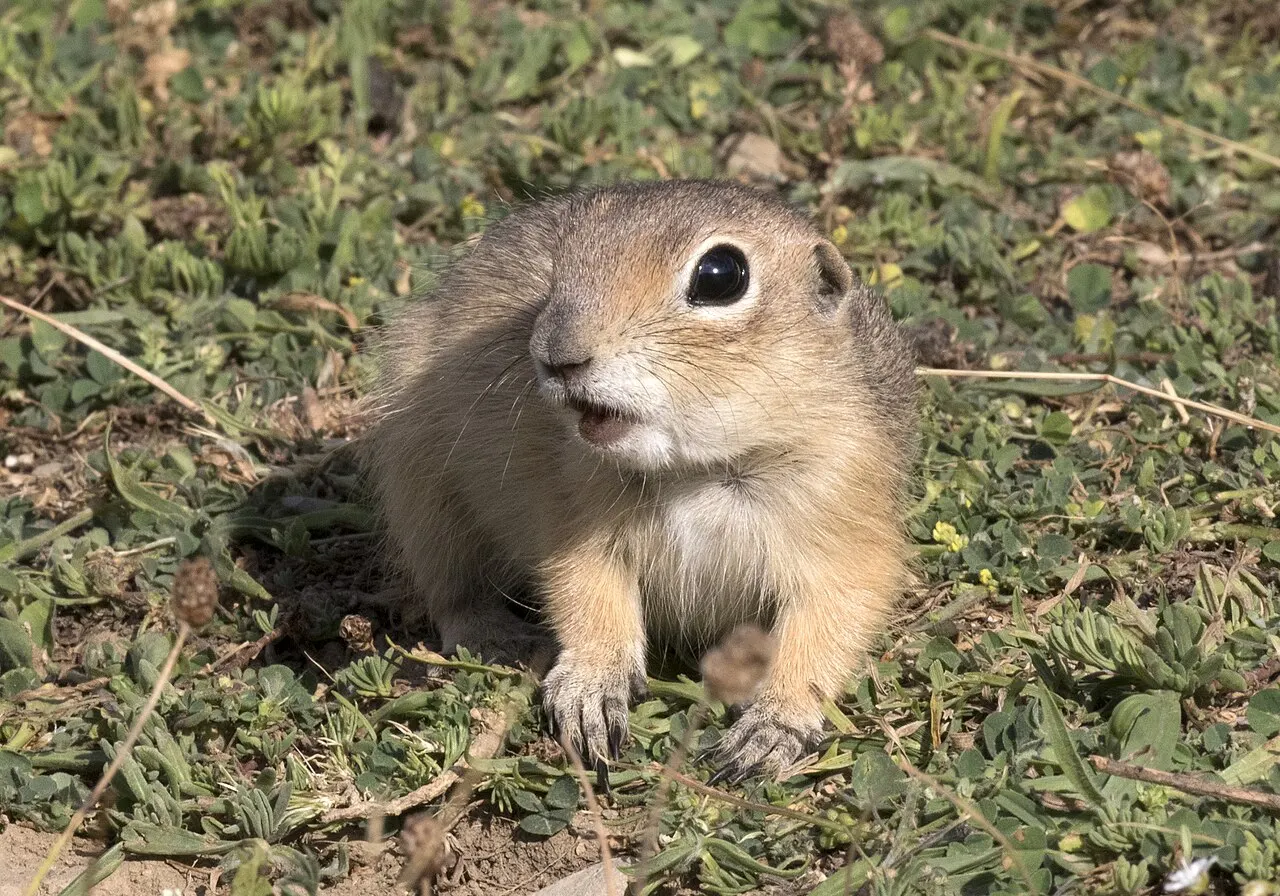

Türkiye · Mammal
Anatolian ground squirrel
Spermophilus xanthoprymnus
Called "gelengi" by local people, it lives in colonies of burrows under the steppe and is found almost only in Anatolia.
- Where it lives
- Steppes of Central and Eastern Anatolia — it lives almost nowhere else
- Diet
- HerbivoreEats plants
- Weight
- 200–500 g
- Length
- 22 cm
- Lifespan (wild)
- 3–5 years
In Pawpedia: What is a mammal?What is a herbivore?
Yaman scale
Drawn side by side with Yaman, to the same scale.
Length7×= 1 Yaman
It would take about 7 of them to match Yaman's height (length 22 cm).
Weight100×= 1 Yaman
It would take about 100 of them to weigh as much as Yaman.
Common questions
Where does the Anatolian ground squirrel live?
- Steppes of Central and Eastern Anatolia — it lives almost nowhere else. In our zoo it lives in the Türkiye zone.
What does the Anatolian ground squirrel eat?
- It is a herbivore: it eats plants.
How big does the Anatolian ground squirrel get?
- Length: 22 cm. It weighs 200–500 g.
How long does the Anatolian ground squirrel live?
- 3–5 years in the wild.
Is the Anatolian ground squirrel endangered?
- On the IUCN Red List it is listed as near threatened. Safe for now, but could be at risk soon.
Did you know?
- It can spend more than half the year hibernating in its burrow.
- When it spots danger, it stands up on its back legs and whistles to warn the others.
- It is important food for eagles, hawks and foxes — a key animal of the steppe.
How safe is it?
- LC
- NT
- VU
- EN
- CR
- EW
- EX
Near threatened. Safe for now, but could be at risk soon.
IUCN Red List
More from the Türkiye zone
Back to Türkiye-
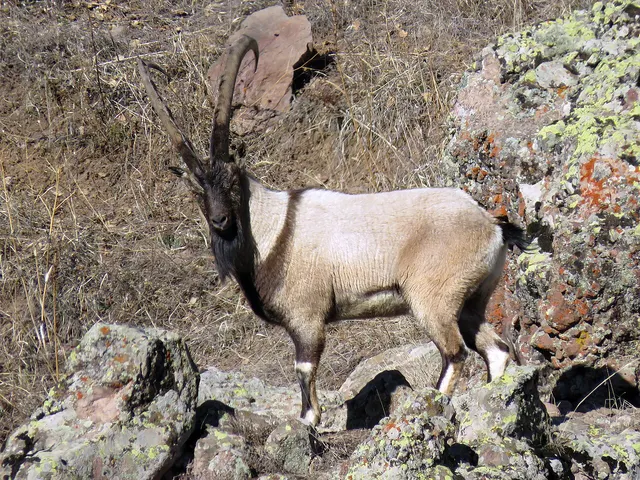 Türkiye · Mammal
Wild goat
Capra aegagrus
Near threatened
-
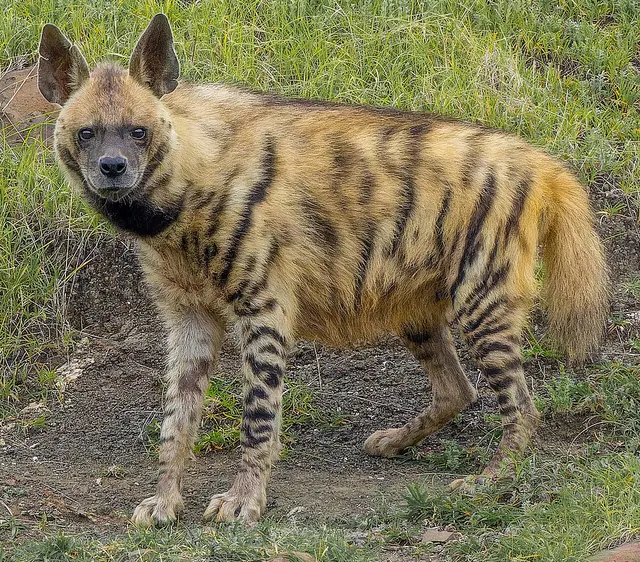 Türkiye · Mammal
Striped hyena
Hyaena hyaena
Near threatened
-
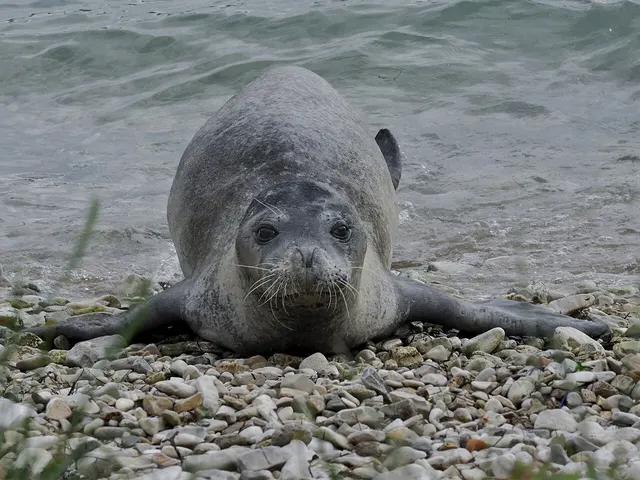 Türkiye · Mammal
Mediterranean monk seal
Monachus monachus
Vulnerable
-
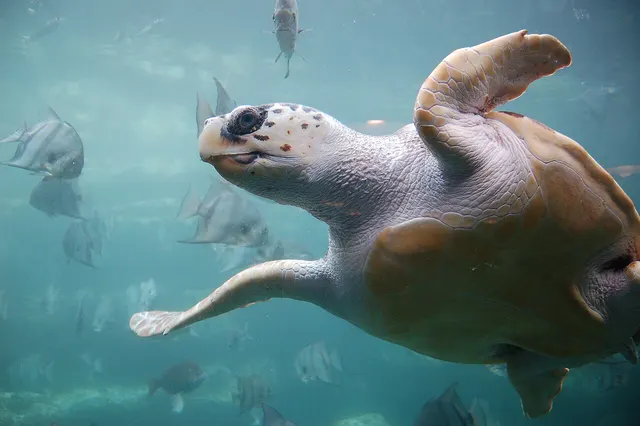 Türkiye · Reptile
Loggerhead sea turtle
Caretta caretta
Vulnerable
-
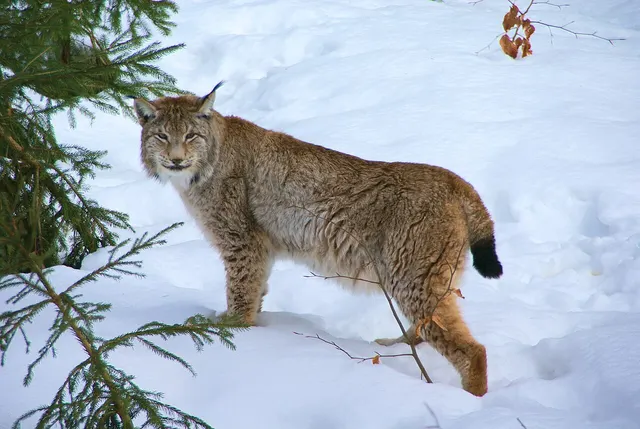 Türkiye · Mammal
Eurasian lynx
Lynx lynx
Least concern
-
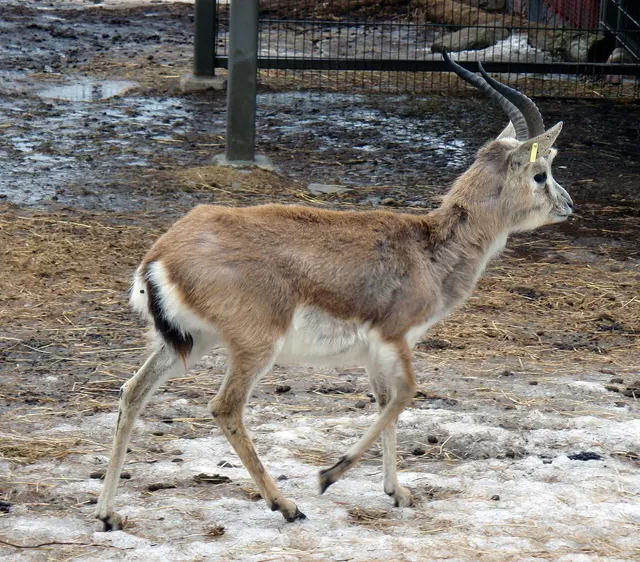 Türkiye · Mammal
Goitered gazelle
Gazella subgutturosa
Vulnerable
-
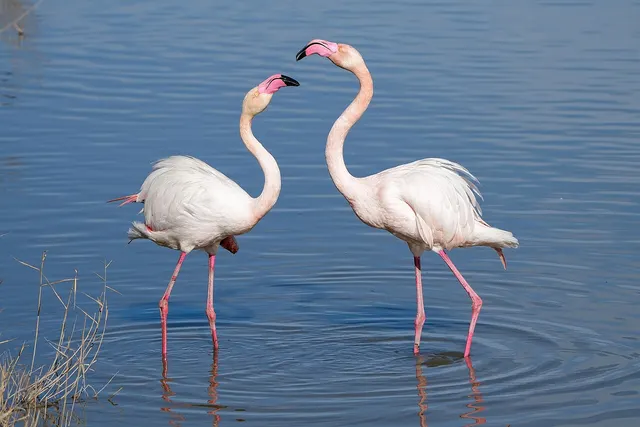 Türkiye · Bird
Greater flamingo
Phoenicopterus roseus
Least concern