Help animals
You don't have to be grown-up to help animals. Small kind things you do every day make their world safer.
Kind things you can do every day
At home and on the street
- On hot days, put a bowl of clean water on your balcony or in your garden for birds and street animals.
- Feed street animals together with a grown-up. Chocolate, onions, grapes and salty food can make them ill.
- Don't disturb an animal that is sleeping, eating or with its babies — watch from a distance.
- If you want a pet, talk with your family about adopting from a shelter instead of buying one.
In nature
- Take your rubbish home with you. Plastic bags and bottle caps can end up in animals' stomachs.
- Don't touch bird nests, eggs or baby animals. A fluffy baby bird on the ground usually has its parents nearby.
- Don't feed wild animals — human food makes them ill and draws them towards roads.
- Never light fires in forests. If you see smoke or fire, tell a grown-up straight away.
At the sea and on the beach
- Keep away from sea turtle nests marked with cages on the beach, and never step on them.
- On summer nights, don't shine torches on beaches where turtles nest — hatchlings mistake the light for the sea and get lost.
- Never leave rubbish on the beach or in the sea. Sea turtles can mistake plastic bags for jellyfish and swallow them.
- If you see a seal or a dolphin, don't get close or follow it — enjoy watching from a distance.
To protect the planet
- Don't waste water or electricity. Climate change is melting the ice polar bears live on.
- Sort paper, plastic and glass for recycling.
- Plant flowers in a pot or garden for bees and butterflies.
- Tell your friends and family what you've learned — the more people know, the safer animals are.
If you find an injured or troubled animal
What should you do?
- Don't touch the animal or get too close. A scared or hurt animal may bite or scratch.
- Tell a grown-up straight away.
- Remember where the animal is and watch it from a distance until help comes.
Who can grown-ups call?
- 112Emergency line: emergencies, injured animals, reporting animal cruelty, forest fires.
- 153ALO 153 in most municipalities: reach the municipal veterinary service for street animals.
- DKMPInjured wild animals (wild birds, turtles, seals, etc.): the provincial office of Nature Conservation and National Parks, or 112.
These numbers are for Türkiye. If a life is in danger, always call 112 first.
My kindness card
0 of 8 done
Tick off the kind things you've done. Your ticks are saved only on this device.
Brilliant! You've done them all. You're a true friend of animals!
Animals that need help most
These animals are endangered or vulnerable. Getting to know them is the first step to protecting them.
-
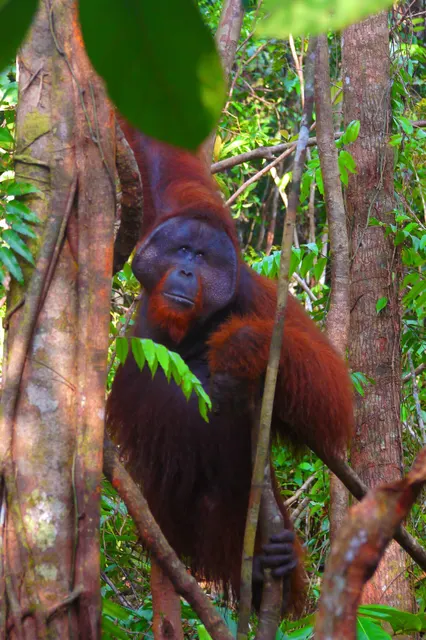 Rainforest · Mammal
Orangutan
Pongo pygmaeus
Critically endangered
-
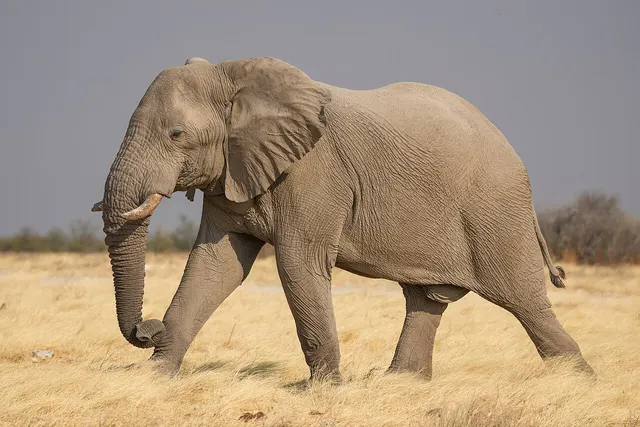 Savanna · Mammal
African elephant
Loxodonta africana
Endangered
-
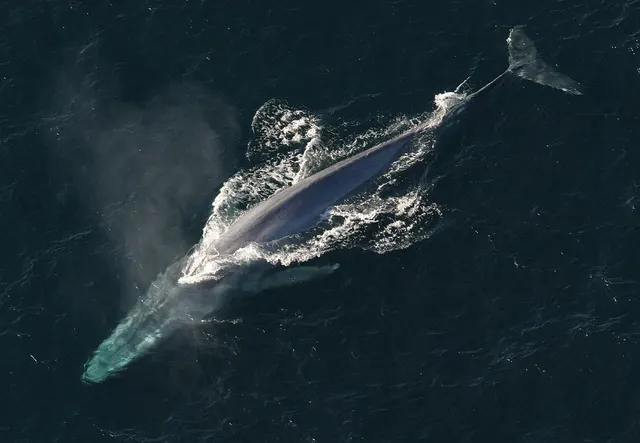 Ocean · Mammal
Blue whale
Balaenoptera musculus
Endangered
-
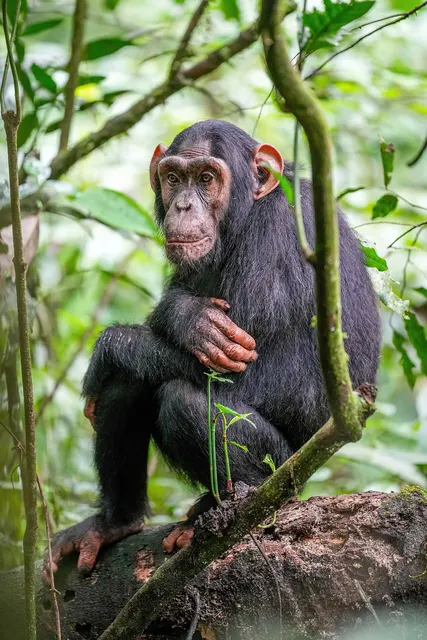 Rainforest · Mammal
Chimpanzee
Pan troglodytes
Endangered
-
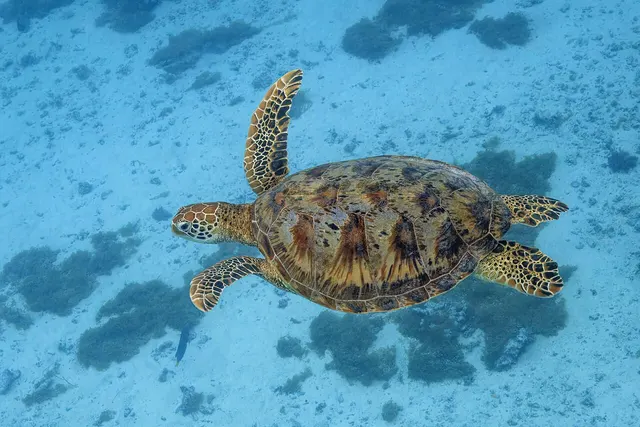 Ocean · Reptile
Green sea turtle
Chelonia mydas
Endangered
-
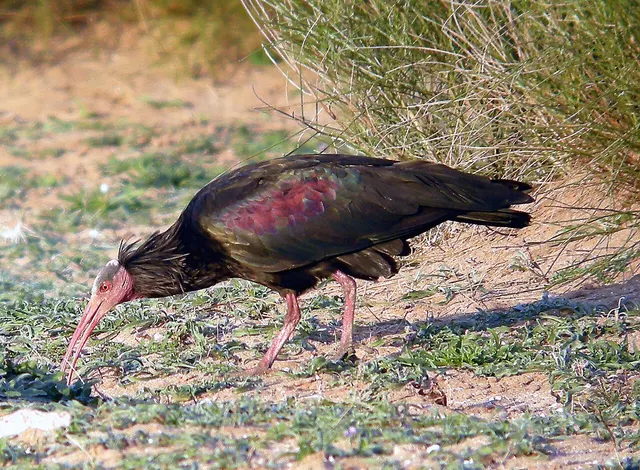 Desert · Bird
Northern bald ibis
Geronticus eremita
Endangered
-
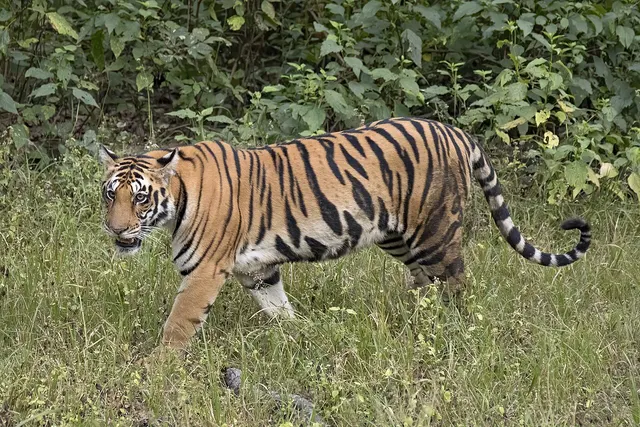 Rainforest · Mammal
Tiger
Panthera tigris
Endangered
-
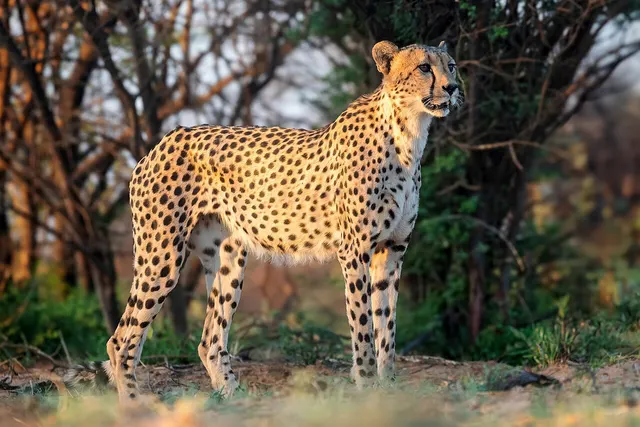 Savanna · Mammal
Cheetah
Acinonyx jubatus
Vulnerable
-
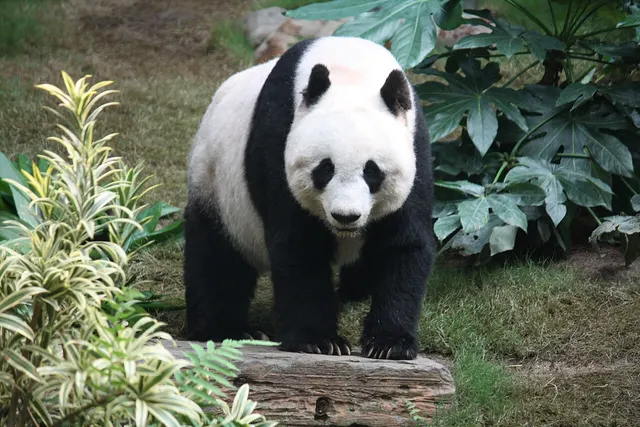 Forest & mountain · Mammal
Giant panda
Ailuropoda melanoleuca
Vulnerable
-
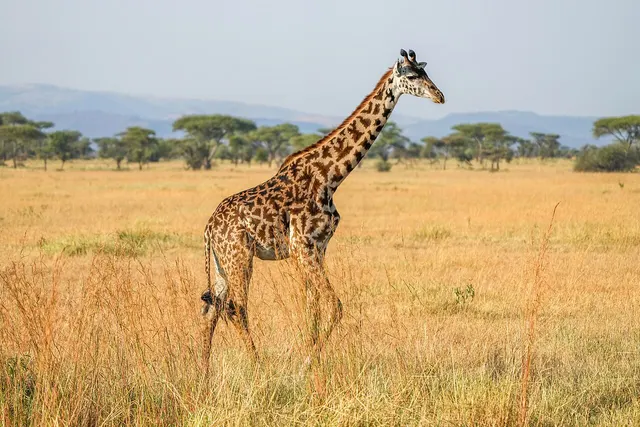 Savanna · Mammal
Giraffe
Giraffa camelopardalis
Vulnerable
-
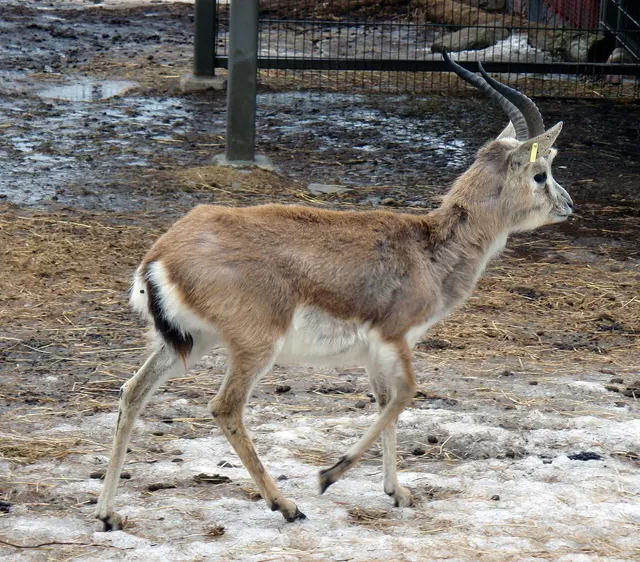 Türkiye · Mammal
Goitered gazelle
Gazella subgutturosa
Vulnerable
-
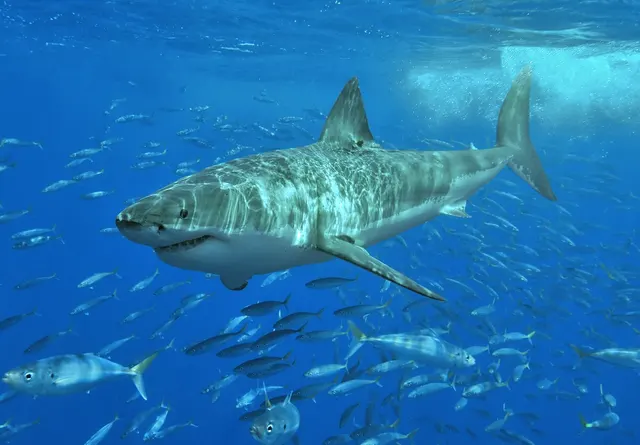 Ocean · Fish
Great white shark
Carcharodon carcharias
Vulnerable
-
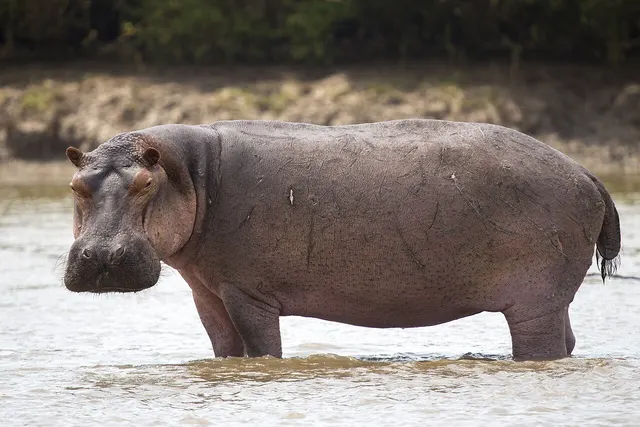 Savanna · Mammal
Hippopotamus
Hippopotamus amphibius
Vulnerable
-
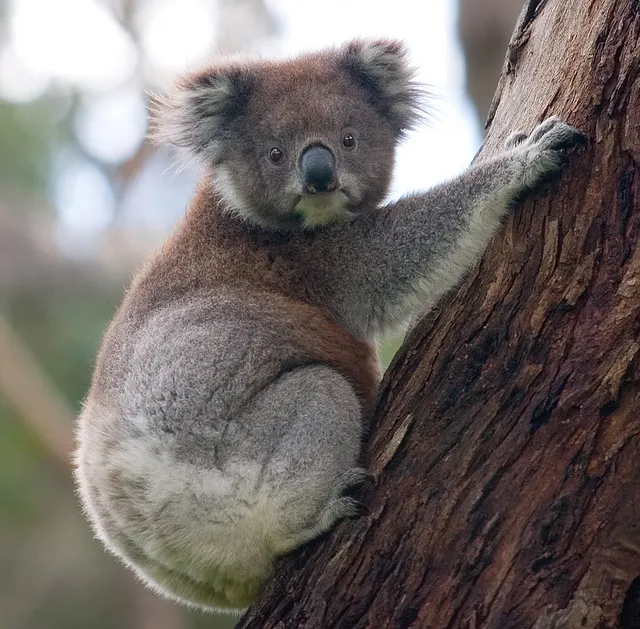 Forest & mountain · Mammal
Koala
Phascolarctos cinereus
Vulnerable
-
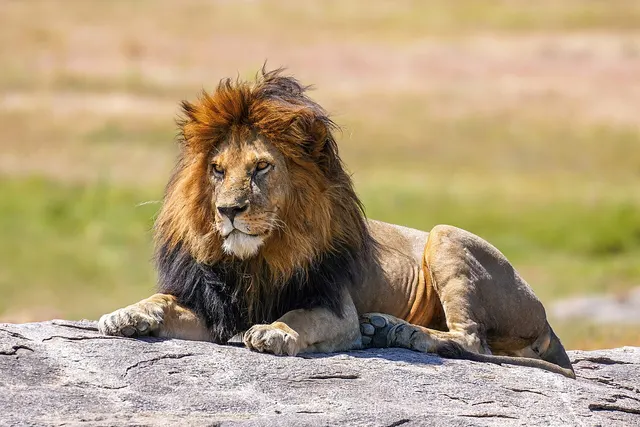 Savanna · Mammal
Lion
Panthera leo
Vulnerable
-
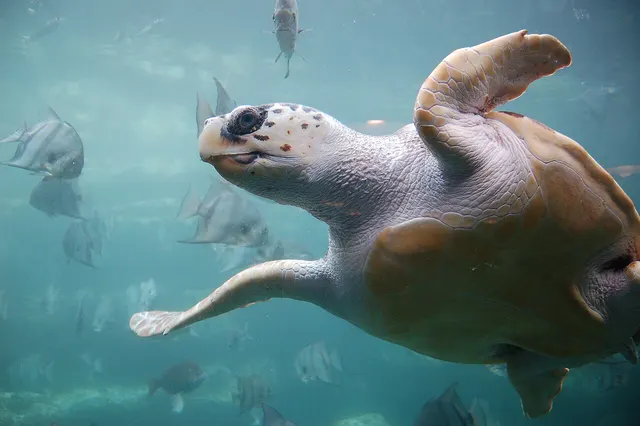 Türkiye · Reptile
Loggerhead sea turtle
Caretta caretta
Vulnerable
-
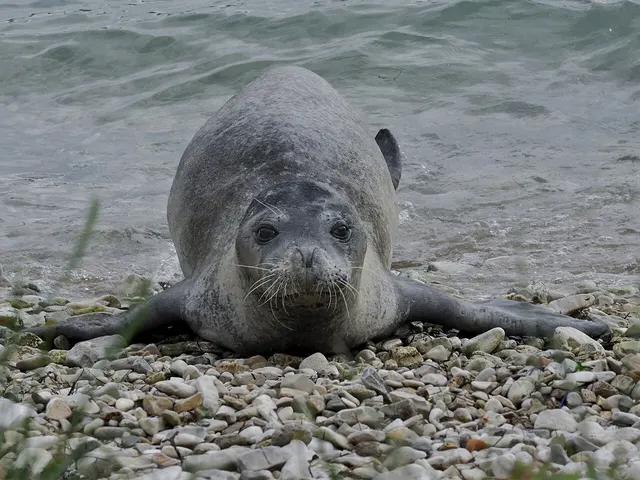 Türkiye · Mammal
Mediterranean monk seal
Monachus monachus
Vulnerable
-
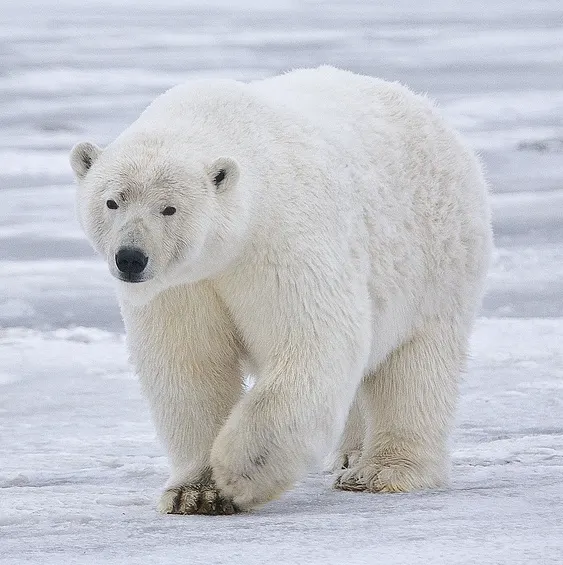 Polar lands · Mammal
Polar bear
Ursus maritimus
Vulnerable
-
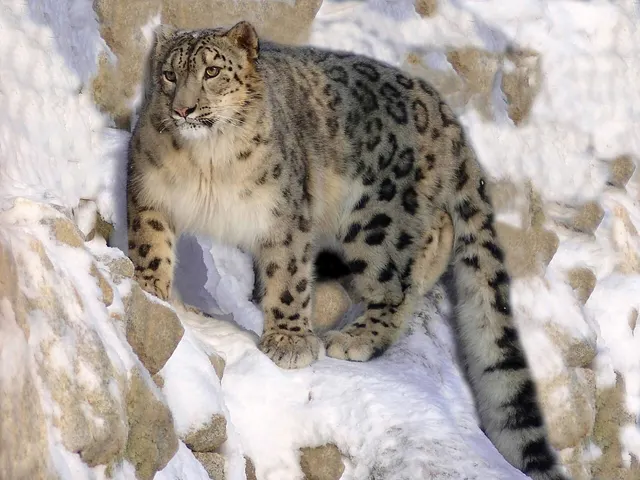 Forest & mountain · Mammal
Snow leopard
Panthera uncia
Vulnerable