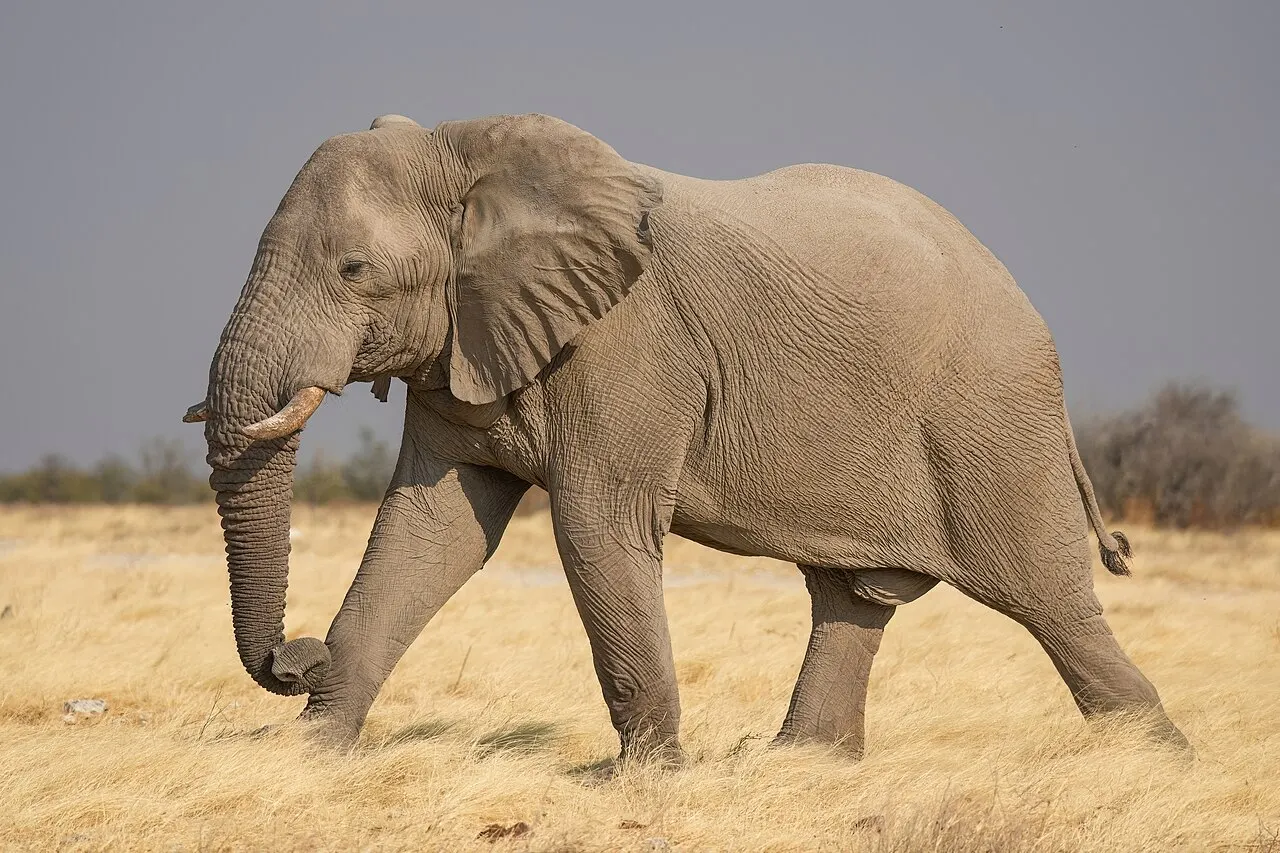

Savanna · Mammal
African elephant
Loxodonta africana
The African elephant is the largest animal on land. Herds are led by the oldest, most experienced female, who remembers where to find water for many years.
- Where it lives
- Sub-Saharan Africa
- Diet
- HerbivoreEats plants
- Weight
- 3–6 tonnes
- Shoulder height
- 3.2 m
- Top speed
- 40 km/h
- Lifespan (wild)
- 60–70 years
In Pawpedia: What is a mammal?What is a herbivore?What does endangered mean?
Yaman scale
Drawn side by side with Yaman, to the same scale.
Shoulder height2.1Yamans
African elephant: shoulder height 3.2 m — that's 2.1 times Yaman's height.
Weight129Yamans
Around 4.5 tonnes — as heavy as 129 Yamans.
Common questions
Where does the African elephant live?
- Sub-Saharan Africa. In our zoo it lives in the Savanna zone.
What does the African elephant eat?
- It is a herbivore: it eats plants.
How big does the African elephant get?
- Shoulder height: 3.2 m. It weighs 3–6 tonnes.
How long does the African elephant live?
- 60–70 years in the wild.
How fast is the African elephant?
- It can reach about 40 km/h.
Is the African elephant endangered?
- On the IUCN Red List it is listed as endangered. At high risk of disappearing from the wild.
Did you know?
- Its trunk has more than 40,000 muscles — strong enough to push over a tree, gentle enough to pick up a peanut.
- An elephant can eat more than 150 kilograms of plants a day.
- Elephants can feel rumbles sent by other elephants kilometres away through their feet.
How safe is it?
- LC
- NT
- VU
- EN
- CR
- EW
- EX
Endangered. At high risk of disappearing from the wild.
IUCN Red List
More from the Savanna zone
Back to Savanna-
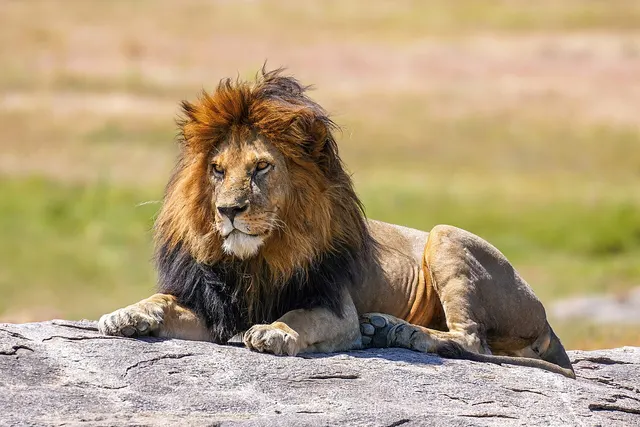 Savanna · Mammal
Lion
Panthera leo
Vulnerable
-
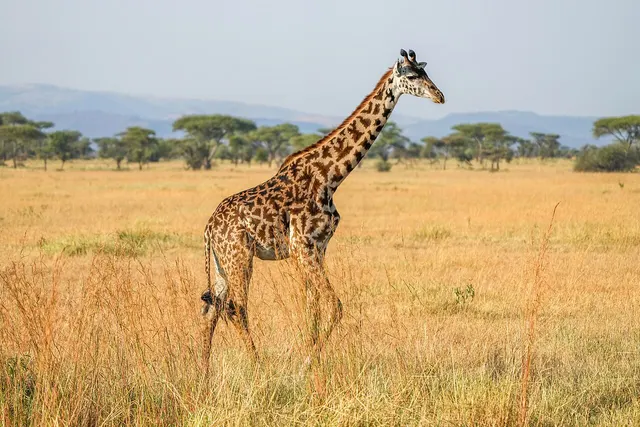 Savanna · Mammal
Giraffe
Giraffa camelopardalis
Vulnerable
-
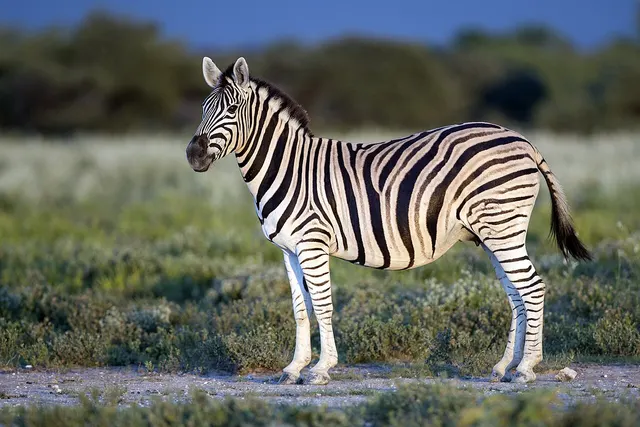 Savanna · Mammal
Zebra
Equus quagga
Near threatened
-
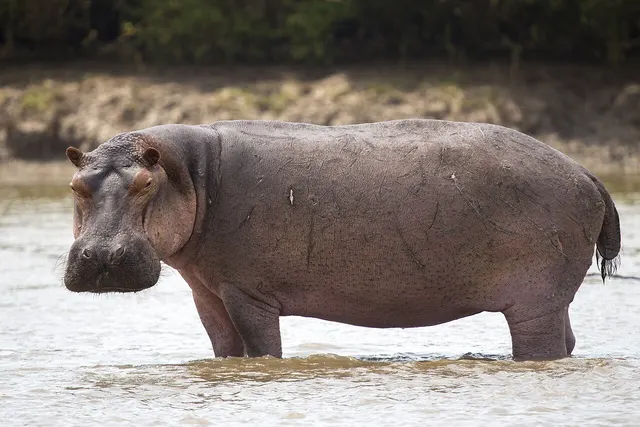 Savanna · Mammal
Hippopotamus
Hippopotamus amphibius
Vulnerable
-
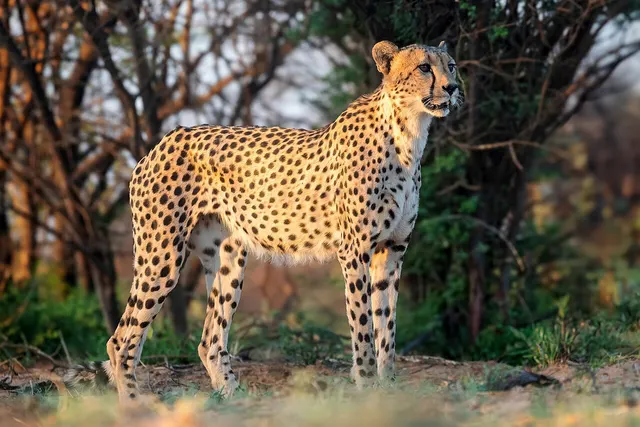 Savanna · Mammal
Cheetah
Acinonyx jubatus
Vulnerable
-
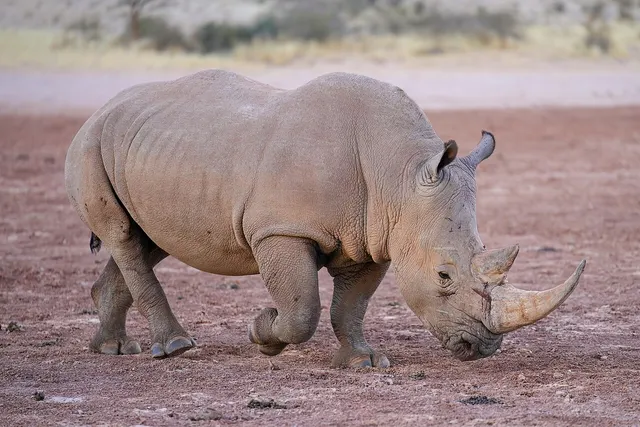 Savanna · Mammal
White rhinoceros
Ceratotherium simum
Near threatened
-
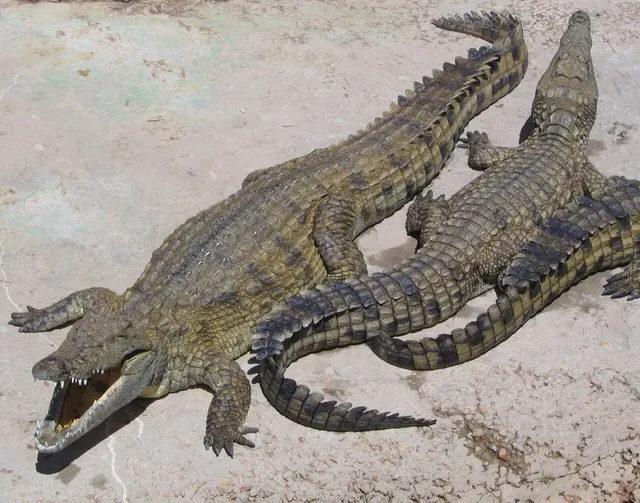 Savanna · Reptile
Nile crocodile
Crocodylus niloticus
Least concern