
Savanna · Mammal
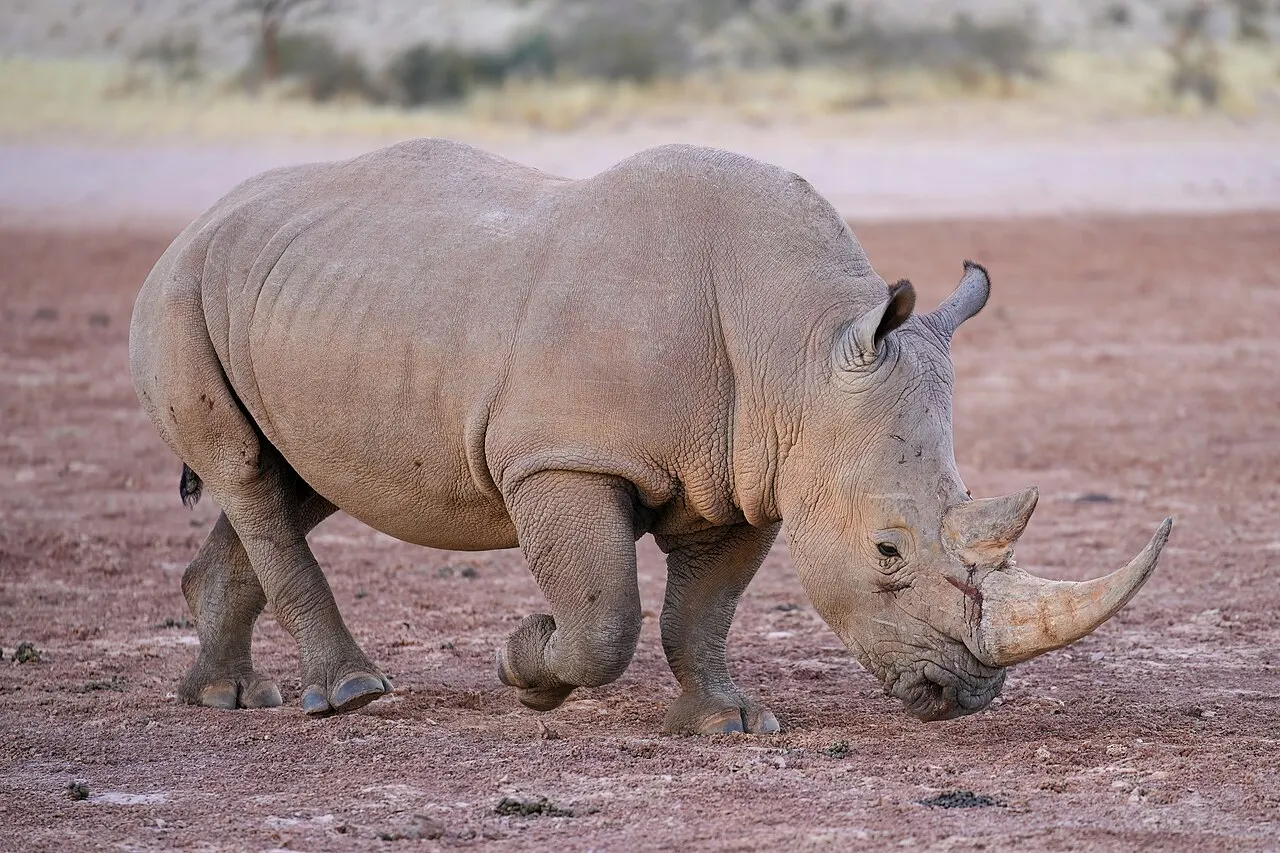
White rhinoceros
Ceratotherium simum
The white rhino is one of the biggest land animals after the elephant. It grazes with its wide, flat lips, cropping grass short like a lawnmower.
- Where it lives
- Savannas of southern and eastern Africa
- Diet
- HerbivoreEats plants
- Weight
- 1.7–2.4 tonnes
- Shoulder height
- 1.7 m
- Top speed
- 50 km/h
- Lifespan (wild)
- 40–50 years
In Pawpedia: What is a mammal?What is a herbivore?
Yaman scale
Drawn side by side with Yaman, to the same scale.
Shoulder height1.1Yamans
White rhinoceros: shoulder height 1.7 m — that's 1.1 times Yaman's height.
Weight59Yamans
Around 2.1 tonnes — as heavy as 59 Yamans.
Common questions
Where does the white rhinoceros live?
- Savannas of southern and eastern Africa. In our zoo it lives in the Savanna zone.
What does the white rhinoceros eat?
- It is a herbivore: it eats plants.
How big does the white rhinoceros get?
- Shoulder height: 1.7 m. It weighs 1.7–2.4 tonnes.
How long does the white rhinoceros live?
- 40–50 years in the wild.
How fast is the white rhinoceros?
- It can reach about 50 km/h.
Is the white rhinoceros endangered?
- On the IUCN Red List it is listed as near threatened. Safe for now, but could be at risk soon.
Did you know?
- Its name has nothing to do with colour — "white" probably comes from a misheard word meaning "wide".
- Its horn is not bone; it is made of keratin, the same stuff as our hair and nails.
- Its eyesight is poor, but its senses of smell and hearing are excellent.
How safe is it?
- LC
- NT
- VU
- EN
- CR
- EW
- EX
Near threatened. Safe for now, but could be at risk soon.
IUCN Red List
More from the Savanna zone
Back to Savanna-
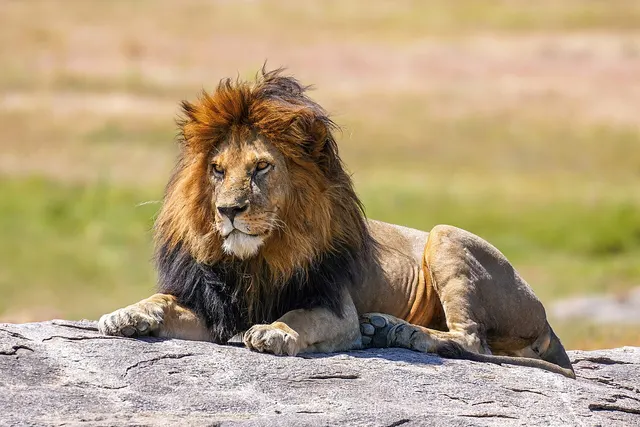 Savanna · Mammal
Lion
Panthera leo
Vulnerable
-
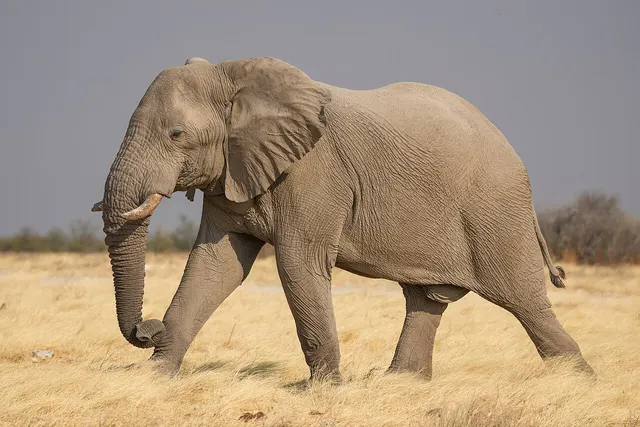 Savanna · Mammal
African elephant
Loxodonta africana
Endangered
-
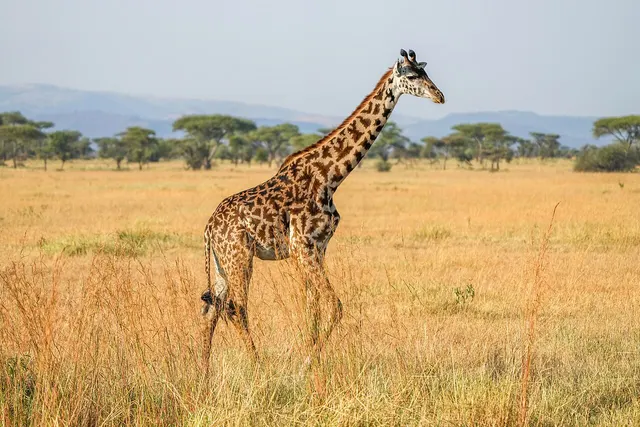 Savanna · Mammal
Giraffe
Giraffa camelopardalis
Vulnerable
-
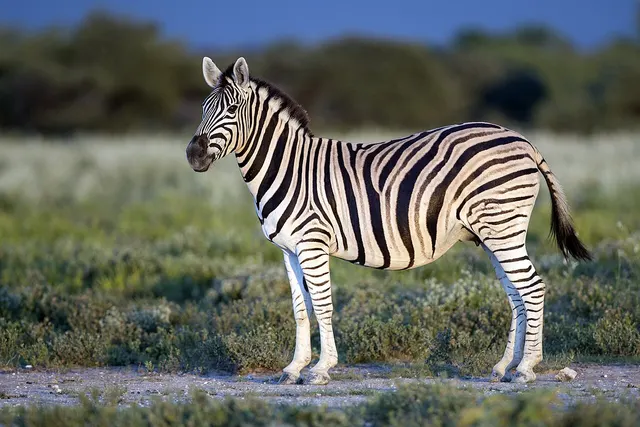 Savanna · Mammal
Zebra
Equus quagga
Near threatened
-
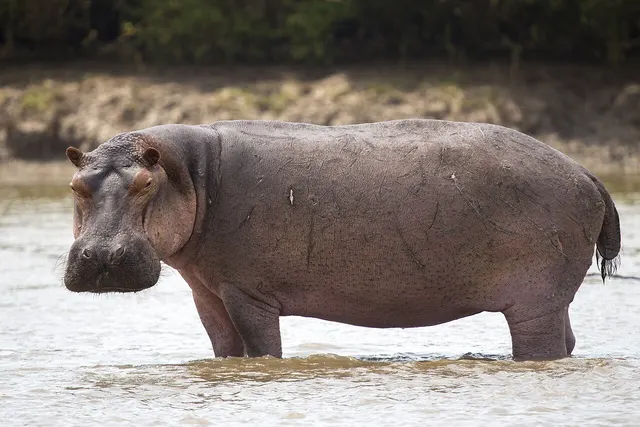 Savanna · Mammal
Hippopotamus
Hippopotamus amphibius
Vulnerable
-
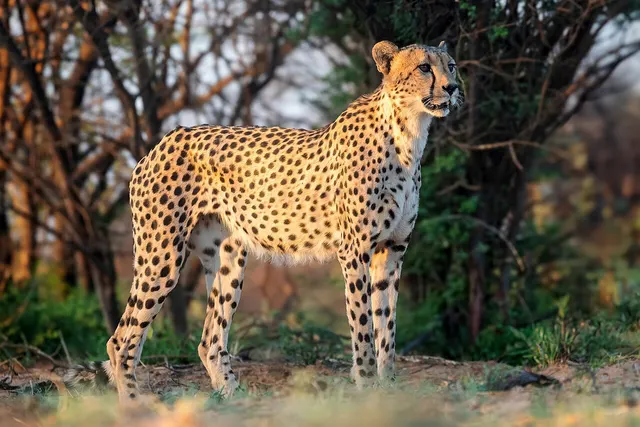 Savanna · Mammal
Cheetah
Acinonyx jubatus
Vulnerable
-
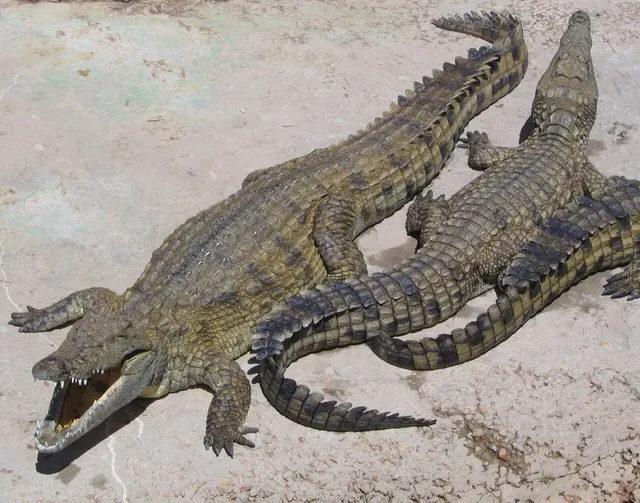 Savanna · Reptile
Nile crocodile
Crocodylus niloticus
Least concern